
Why Asset Protection Matters for High Earners
- Jib Hunt

- Aug 11
- 12 min read

COMPLIANCE NOTE: For educational purposes only. Not financial, tax, or legal advice.
Asset protection matters for high earners because accumulated wealth creates exposure, not just security. The more you earn and own, the more you stand to lose from a lawsuit, a creditor claim, a business failure, or a poorly timed divorce. Asset protection strategies use lawful ownership, titling, insurance, and structural choices to reduce that exposure without evading legal obligations. Planning must be in place before a claim arises; structures put in place after litigation is anticipated can be unwound as fraudulent transfers. Consult a qualified estate attorney, CPA, and licensed insurance advisor before making any structural changes.
Four actions you can take this week:
Review your liability and umbrella insurance limits against your current net worth.
Audit beneficiary designations and asset titling on all accounts and real estate.
Write a simple list of your professional and personal exposures (business ownership, real estate, professional licenses).
Schedule consultations with an estate attorney and a CPA to identify your most urgent gaps.
Key Takeaways
Asset protection for high earners is most effective when it combines insurance, proper titling, entity structures, and selective trust use, implemented before any claim arises and reviewed annually.
Point | Details |
Act before a threat appears | Structures put in place after litigation is anticipated can be reversed as fraudulent transfers. |
Insure first, then layer | Umbrella and liability insurance are the most cost-effective foundation; complex structures build on top. |
Titling and designations matter | Incorrect asset titling or outdated beneficiary designations can defeat an otherwise sound plan. |
Coordinate all three advisors | Estate attorney, CPA, and licensed insurance advisor each address different gaps; no single advisor covers all. |
The Infinite Banker’s role | The Infinite Banker helps high earners evaluate how properly structured whole life insurance may fit as a liquidity component within a broader protection plan. |
Table of Contents
What asset protection is — and what it is not
Asset protection is a lawful set of ownership, titling, insurance, and structural choices designed to reduce exposure to loss without evading legal obligations. It is not a method for hiding assets, defrauding creditors, or eliminating tax liability through concealment. That distinction is not semantic; it is the line between legitimate planning and conduct that courts can reverse, penalize, or refer for prosecution.
A few common misperceptions are worth correcting directly:
Myth: Asset protection means moving money offshore to avoid creditors. Fact: Effective protection relies on domestic structures, insurance, and proper titling. Offshore schemes without qualified counsel create compliance risk that often outweighs any benefit.
Myth: Any trust shields assets from creditors. Fact: A revocable living trust generally offers no creditor protection because you retain control. Irrevocable structures can provide protection, but they come with real trade-offs in flexibility and access.
Myth: Asset protection is only for the ultra-wealthy. Fact: Many simple, affordable steps protect earners at every level of wealth, and the cost of doing nothing is almost always higher than the cost of a basic plan.
Timing is the single most critical variable in asset protection. Structures implemented after a creditor claim is reasonably anticipated can be challenged as fraudulent conveyances under both state law and the Uniform Fraudulent Transfer Act. The plan must exist before the threat does.
What threats actually put your wealth at risk?
High earners face a wider range of financial threats than most people acknowledge. The primary categories:
Litigation: Personal injury suits, contract disputes, and professional liability claims can reach well beyond insurance limits.
Creditor claims: Business debts, personal guarantees on loans, and tax liens can attach to personal assets when structures are absent or weak.
Divorce: Marital property laws vary by state, and without prenuptial agreements or proper titling, a divorce proceeding can disrupt a business, a real estate portfolio, or a retirement plan.
Business failure: A personally guaranteed business loan or a partnership dispute can expose personal assets directly.
Malpractice and professional liability: Physicians, attorneys, financial advisors, and contractors face claims that can exceed policy limits.
Tax risk: Aggressive deductions, improper entity use, and unreported income create IRS exposure that can result in liens and levies.
Lifestyle-driven exposure: Large real estate holdings, vehicles, watercraft, and rental properties each carry their own liability footprint.
Consider a scenario that plays out more often than most earners expect: a real estate investor with three rental properties, a medical practice, and a personal brokerage account faces a slip-and-fall lawsuit at one of the rentals. If the properties are held in the investor’s personal name and the umbrella policy limit is below the judgment, the brokerage account and practice income are both reachable. A single gap in structure can threaten assets that took a decade to accumulate.
Some assets already carry federal protection. ERISA-qualified retirement plans, such as 401(k)s and pension plans, receive broad creditor protection under federal law. State exemptions, including homestead laws, protect primary residence equity up to varying caps depending on the state. But state exemptions and ERISA protections create varied protection across asset types and jurisdictions, and gaps remain significant for earners with substantial non-qualified assets.
Practical strategies high earners use to protect assets
No single tool covers every exposure. There is no one-size-fits-all plan; insurance, entities, and trusts each play different roles and should be coordinated with legal and tax advisors as part of a multilayered approach.
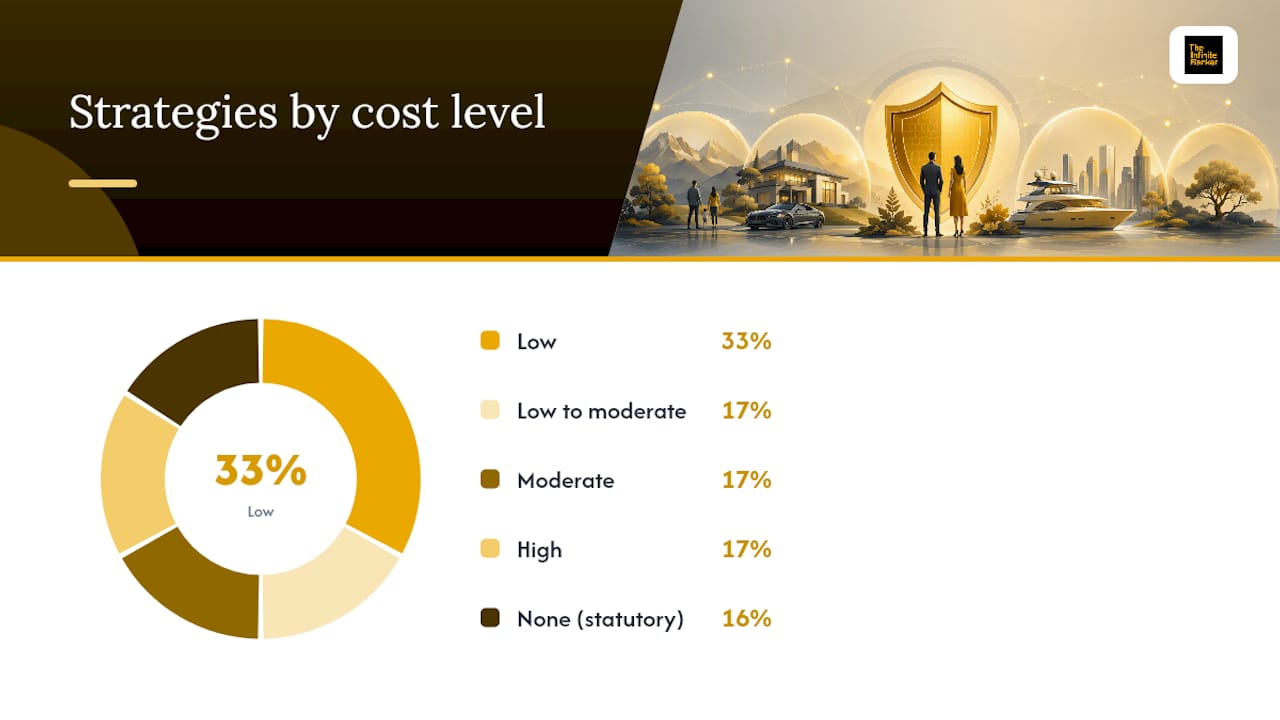
Strategy | Primary Purpose | Typical Cost/Complexity | Common Limits |
Liability and umbrella insurance | First-line defense against lawsuits and claims | Low to moderate; annual premiums | Coverage caps; exclusions for intentional acts |
LLC or limited partnership | Separate business/real estate from personal assets | Moderate; legal setup and annual maintenance | Charging order protection varies by state; must be properly maintained |
Irrevocable trust (including DAPT) | Remove assets from personal estate; creditor shielding | High; legal fees, ongoing administration | Loss of control; state law variability; fraudulent transfer risk if timed poorly |
Proper titling and beneficiary designations | Direct assets outside probate; reduce estate exposure | Low; attorney or account review | Errors can defeat intent; must be updated after life changes |
ERISA-qualified retirement accounts | Federal creditor protection for retirement savings | Low (part of employment or business plan) | Contribution limits; IRA protection varies by state |
Homestead exemption | Protect primary residence equity from creditors | None (statutory); varies by state | Cap varies widely; does not protect investment real estate |
Prenuptial agreement | Define separate vs. marital property | Moderate; legal drafting | Must meet state requirements; courts can invalidate if procedurally flawed |
Umbrella insurance is often the most cost-effective first step. A personal umbrella policy supplements your auto and homeowners liability limits and can provide meaningful coverage for a relatively modest annual premium. Umbrella liability policies are a cost-effective first line of defense for high earners, particularly those with real estate, vehicles, or professional exposure.
Entity structuring through LLCs or limited partnerships separates business and real estate assets from personal wealth. The protection depends heavily on proper maintenance: commingling personal and business funds, failing to hold annual meetings, or neglecting state filings can allow a court to “pierce the corporate veil” and reach personal assets anyway.
Trusts require careful selection. Revocable trusts generally do not shield assets from creditors because the grantor retains control. Irrevocable trusts, including Domestic Asset Protection Trusts (DAPTs), can provide creditor shielding, but only a subset of states permit DAPTs, the rules differ materially across those states, and the grantor typically must relinquish meaningful control over the assets transferred.
Pro Tip: State law governs most of these tools. Homestead exemptions range from unlimited in Florida and Texas to modest caps in other states. DAPT availability, LLC charging order protections, and exemption amounts all vary by jurisdiction. An estate attorney licensed in your state is the only reliable guide to what applies to your situation.
Core principles that make an asset protection plan actually work
Tactics without principles produce plans that are expensive, fragile, or legally vulnerable. The following principles reflect what practitioners consistently find separates durable plans from ones that fail under pressure.
Plan early. Protection structures must be in place before a claim arises. Waiting until litigation is threatened or a creditor is pursuing you removes most of your options and creates fraudulent transfer risk.
Layer your defenses. A layered approach combining insurance, ownership structures, and titling is more effective than relying on any single tool. Each layer covers gaps the others leave.
Favor insurance first. Insurance is the most cost-effective and flexible protection for most earners. It should be the foundation before adding complex structures.
Match tools to your actual exposures. A physician’s plan looks different from a real estate investor’s plan. Identify your specific risk categories before selecting structures.
Avoid over-engineering. Complex foreign trusts and multi-entity structures are often unnecessary and create compliance costs that exceed their benefit. Many effective plans are straightforward.
Maintain flexibility. Irrevocable structures that lock assets away permanently may solve one problem while creating others. Build in review cycles and prefer structures that can adapt as your circumstances change.
Coordinate your advisors. An estate attorney, a CPA, and a licensed insurance advisor each see a different slice of your exposure. Plans built without all three perspectives tend to have blind spots.
Common mistakes that undermine asset protection
Even well-intentioned plans fail when earners make predictable errors. The most frequent:
Waiting until a claim is imminent. This is the most damaging mistake. Transfers made after a creditor claim is reasonably anticipated can be reversed by courts as fraudulent conveyances.
Relying on a single tool. One LLC or one insurance policy rarely covers the full range of exposures a high earner faces.
Ignoring insurance limits. Liability limits that made sense five years ago may be inadequate after significant wealth accumulation or a new real estate purchase.
Poor titling. Assets held in the wrong name or without proper beneficiary designations can end up in probate, exposed to creditors, or distributed contrary to your intent.
Failing to document intent. Transfers between related parties without contemporaneous documentation of purpose are easy targets for fraudulent transfer challenges.
Using cross-border schemes without qualified counsel. Offshore structures are not inherently illegal, but they require specialized legal and tax expertise. Misuse creates penalties that dwarf any protection benefit.
Underestimating ongoing costs. Trusts and entities require annual maintenance, filings, and legal reviews. A structure that lapses or is improperly maintained may offer no protection at all.
These errors are also covered in detail in high-income financial planning mistakes that earners commonly make when building a protection plan.
If an advisor promises “guaranteed” protection, urges you to transfer assets immediately without a written legal opinion, or emphasizes secrecy over compliance, treat those as serious warning signs. Legitimate asset protection planning is transparent, documented, and built on legal structures that withstand scrutiny. Aggressive or fraudulent transfers can result in court-ordered reversals, civil penalties, and in some cases criminal liability.
A practical starter plan: what to do in the first 30, 90, and 365 days
Asset protection does not require doing everything at once. A phased approach keeps costs manageable and priorities clear.
Days 1–30 (Immediate): Review all liability insurance limits, including auto, homeowners, and any professional liability policies. Check every beneficiary designation on retirement accounts, life insurance, and transfer-on-death accounts. Document your current exposures in writing. Schedule consultations with an estate attorney and a CPA.
Days 31–90 (Short-term): Evaluate whether business and real estate assets are held in appropriate entities. Add or increase an umbrella liability policy if your net worth has grown beyond your current coverage. Update any outdated beneficiary designations or titling errors identified in the first phase.
Days 91–365 (Medium-term): Work with an estate attorney to evaluate whether irrevocable trust structures are appropriate for your situation. Review your retirement account strategy with a CPA, including contribution limits and state-specific IRA protections. If you are in a long-term relationship or marriage, discuss whether a prenuptial or postnuptial agreement is relevant. Consider how income protection strategies fit alongside your structural choices.
Ongoing (Annual): Review your plan every year or after any major life event, including a new business, a real estate acquisition, a marriage, a divorce, or a significant change in net worth.
Cost expectations: An umbrella policy typically costs a few hundred dollars per year. LLC formation and maintenance runs from a few hundred to a few thousand dollars annually depending on state and complexity. Trust drafting by a qualified estate attorney can range from several thousand dollars to significantly more for complex irrevocable structures. Legal fees for a comprehensive plan vary widely by jurisdiction and complexity. The cost of not planning, measured in a single uninsured judgment, almost always exceeds the cost of the plan itself.
At each stage, the right advisors matter: an estate attorney for entity and trust work, a CPA for tax implications, a licensed insurance agent for coverage gaps, and an Authorized IBC Practitioner if whole life insurance is part of your liquidity and protection strategy.

What an advisor will review in your first planning session
A qualified advisor will work through a structured checklist before recommending any structure. Knowing what they will examine helps you prepare and ask better questions.
Net worth and liquidity profile, including accessible cash reserves
How every significant asset is titled and whether titling matches your intent
Business entity structure and whether it is properly maintained
Current insurance layers: professional liability, umbrella, life, disability
Retirement account types and their creditor protection status under federal and state law
Family and marital status, including any prior marriages or blended family considerations
Recent large asset transfers that could be scrutinized as preferential or fraudulent
Professional exposures specific to your occupation or business
Existing estate planning documents: wills, powers of attorney, healthcare directives, and any existing trusts
Pro Tip: Document the intent and timing of any asset transfer in writing, ideally with a contemporaneous memo from your attorney. Courts look at what you knew and when you knew it. A clear paper trail showing the transfer was made for legitimate planning purposes, not to evade a known creditor, is one of the most important protections you can create.
Accessible cash savings and liquidity materially improve a household’s ability to withstand unexpected expenses and reduce the risk that a dispute will force distress sales or high-cost borrowing. This is one reason some high earners explore cash-value whole life insurance as a liquidity component within a broader protection plan.
Cash-value whole life insurance, when properly structured, may serve as one component of an asset protection and liquidity strategy. The cash value accumulates on a tax-deferred basis and can be accessed through policy loans. However, dividends are not guaranteed, policy loans accrue interest and reduce cash value and death benefit if unpaid, and policies can lapse if not properly funded. This is a tool with real trade-offs, not a substitute for insurance, entities, or trusts. For more on the mechanics, see cash value in whole life insurance and how it may fit within a broader plan.
A practitioner’s perspective on building a real protection plan
Most high earners I work with come to asset protection planning after a near-miss: a lawsuit that settled just inside policy limits, a business partner dispute, or a divorce that exposed assets they assumed were protected. The pattern is consistent, and the lesson is always the same: the plan you wish you had built five years ago is the plan you should build today.
What I find underappreciated is how much protection comes from the basics done well. Proper titling, a well-sized umbrella policy, and correctly designated beneficiaries address a significant portion of most earners’ exposure at a fraction of the cost of complex trust structures. The elaborate structures have their place, but they are most effective as a second or third layer, not a substitute for the fundamentals.
Infinite Banking concepts, using properly structured dividend-paying whole life insurance, can play a role in this system as a liquidity and capital-access tool. It is one option among many, and it works best when coordinated with the legal and tax framework an attorney and CPA have already established. No single product or strategy covers every risk. The goal is a system where each component reinforces the others, and where the plan is reviewed and updated as your life and wealth evolve.
Consult qualified legal and tax professionals before making any structural changes to your asset ownership or protection plan.
How The Infinite Banker approaches asset protection consulting

The Infinite Banker works with entrepreneurs, real estate investors, and high-income earners to evaluate how properly structured dividend-paying whole life insurance may fit within a broader asset protection and liquidity plan. Services include strategy sessions, policy design, underwriting guidance, and ongoing education about Infinite Banking concepts, capital efficiency, and cash flow management. No outcomes are promised, dividends are not guaranteed, and this is not a substitute for legal or tax advice from qualified professionals.
If you are ready to explore whether a whole life policy structure belongs in your plan, schedule a consultation or use the Infinite Banking calculator to model how a policy may fit your situation. You can also learn more about how Infinite Banking works before your first conversation.
Sources
The sources below range from practitioner-level strategy guides to data-driven household finance research, giving you both tactical and empirical grounding.
Asset protection: 5 strategies to protect wealth | Fidelity Investments
Asset Protection Planning: A Layered Approach to Protecting What You’ve Built | Brown Advisory
Simple asset protection strategies that defend your estate | Forbes
Building financial security and resilience | JPMorgan Chase Institute
This post is educational only and not financial, tax, or legal advice. Consult qualified professionals before acting.
Recommended
Comments